


Singalila National Park
Red Panda Expeditions
The high-altitude national park (2500-3650m) is situated on the Singalila Ridge in the Darjeeling district of West Bengal and spans an area of 78.6sq.km. The park shares a natural boundary with Nepal in the west and Sikkim in the north.
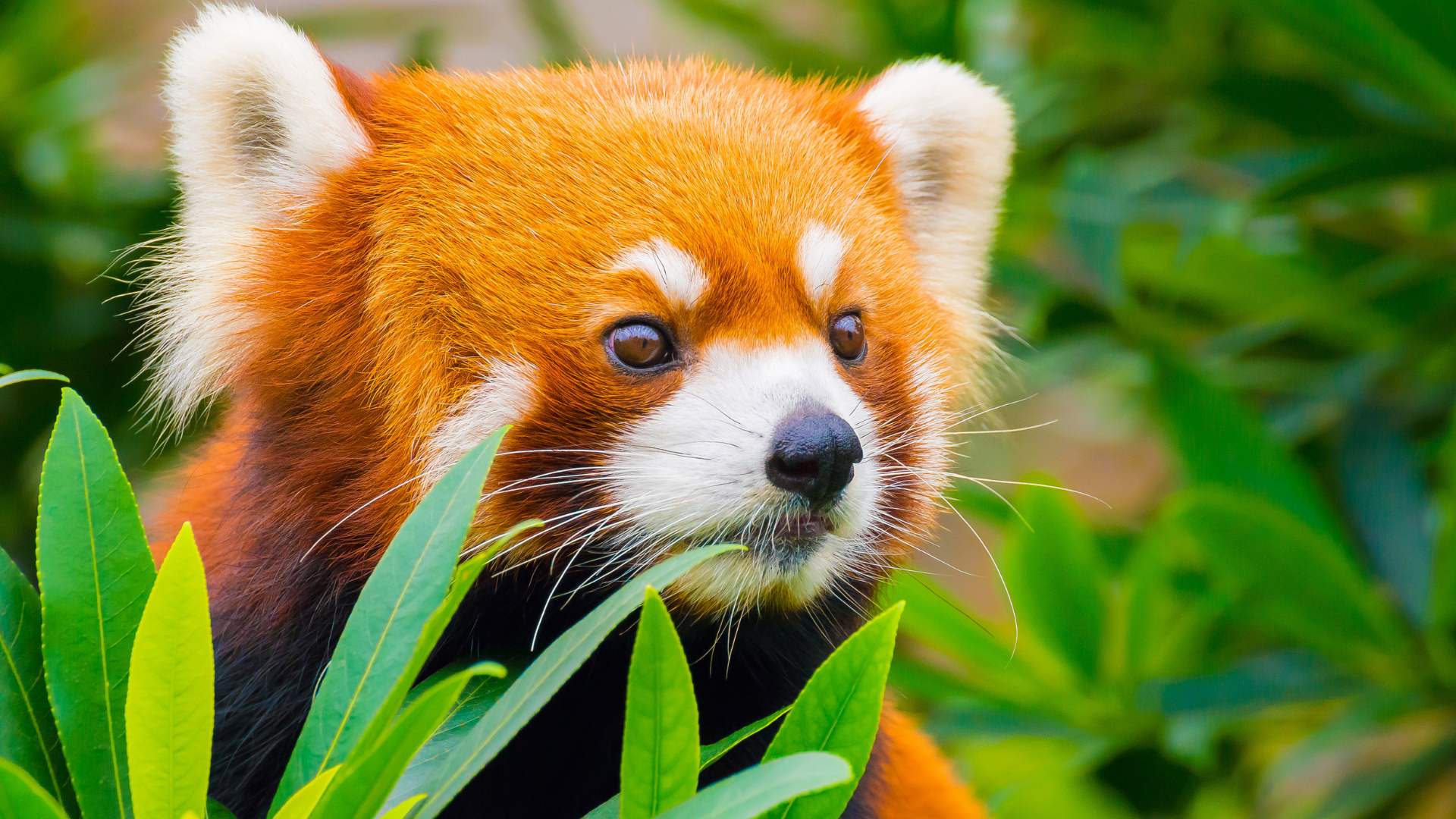
The mountain forests of Singalila boast an astounding diversity of flora and fauna. It is one of the last remaining natural habitats of the endangered Red Panda.
The national park offers panoramic views of the eastern Himalayas, including four of the five highest peaks in the world―Mount Everest, Kangchenjunga, Lhotse, and Makalu. The famous trek route to Sandakphu (3636m), the highest peak in West Bengal, runs through the national park, making it a popular destination among adventure seekers and trekkers.
Let’s Customise your Red Panda Expeditions !
About the Forest
The red panda is an elusive and mysterious mammal of Himalayan forest biodiversity. Wild Red panda live in the temperate deciduous forests of the eastern Himalayas, with bamboo undergrowth at altitudes of 2,400 to 3,900meters. Listed as Endangered on the IUCN Red List since 2008 due to the threat of global warming, deforestation & poaching, estimated at 10,000individuals, with a decreasing population trend.
Tourism is the best way in which they get benefited or get revenue. This actually creates awareness about them and also makes them more interested in saving or protecting the wildlife in this region.
Your Itinerary
Day 1
Depart for Singalila
Drive to Maneybhanjyang from Bagdogra in the morning. Maneybhanjyang is the entry point of Singalila National Park. We shift into 4×4 Mahindra Bolero and move towards Singalila National Park. Lunch will be served at your Premium Home Stay Lodge at Tumling, depending upon your arrival time. Evening will be at leisure, with optional short hiking in nearby trail for birding. Post early dinner we retire for the day.
Please keep in mind:
Since Singalila will be closed for entry post 2 pm onwards, it’s requested to our wildlife tours visitor book the first flight to Bagdogra no later than 9 am.
Day 2
Wildlife activity in Singalila
Guests will wake up and have breakfast at the lodge. Our team of expert trackers would have gone out searching for Red Panda early in the morning. As the trackers find Red Panda, guests will be taken to the spot. Guests can opt to walk to the sighting spot or choose to go by a 4X4 vehicle, if the sighting is close to a motor-able road.
Along with our expert naturalist/Guide, guests can also participate in tracking using established trails in search for Red Panda. Singalila is home to several species of birds and guests can also engage themselves with bird watching, while the trackers are out looking for Red Panda. Lunch will be served on the field or at the lodge, depending on the wildlife activities that we decide to do. Dinner and overnight at the lodge.
Note: In Singalila National Park Red Panda Safari, the 4X4 can only travel to a motorable road near to the sighting.
Day 3 to Day 5
Wildlife activity in Singalila
Each day the trackers will go out searching for Red Panda in the national park area and your naturalist will identify suitable trails for searching for Red Panda and other species. For those guests who have difficulty walking, even the 4X4 vehicles will be there in support to drive you to various sightings or spots.
Apart from wildlife, Singalila National Park is also quite popular for the scenic vistas that one can see. The Kanchendzonga peak along with other surrounding peaks form the sleeping Buddha, which can be best viewed from Sandakphu. At the discretion of your naturalist and the sighting situation, the guest can visit Sandakphu to see this and explore the areas around. There are also some interesting villages to be seen close to your lodge.
Day 6
Depart for Bagdogra
Hot breakfast at the lodge. Drop at Bagdogra airport to take an onward flight.
Best time to visit
- September through November –
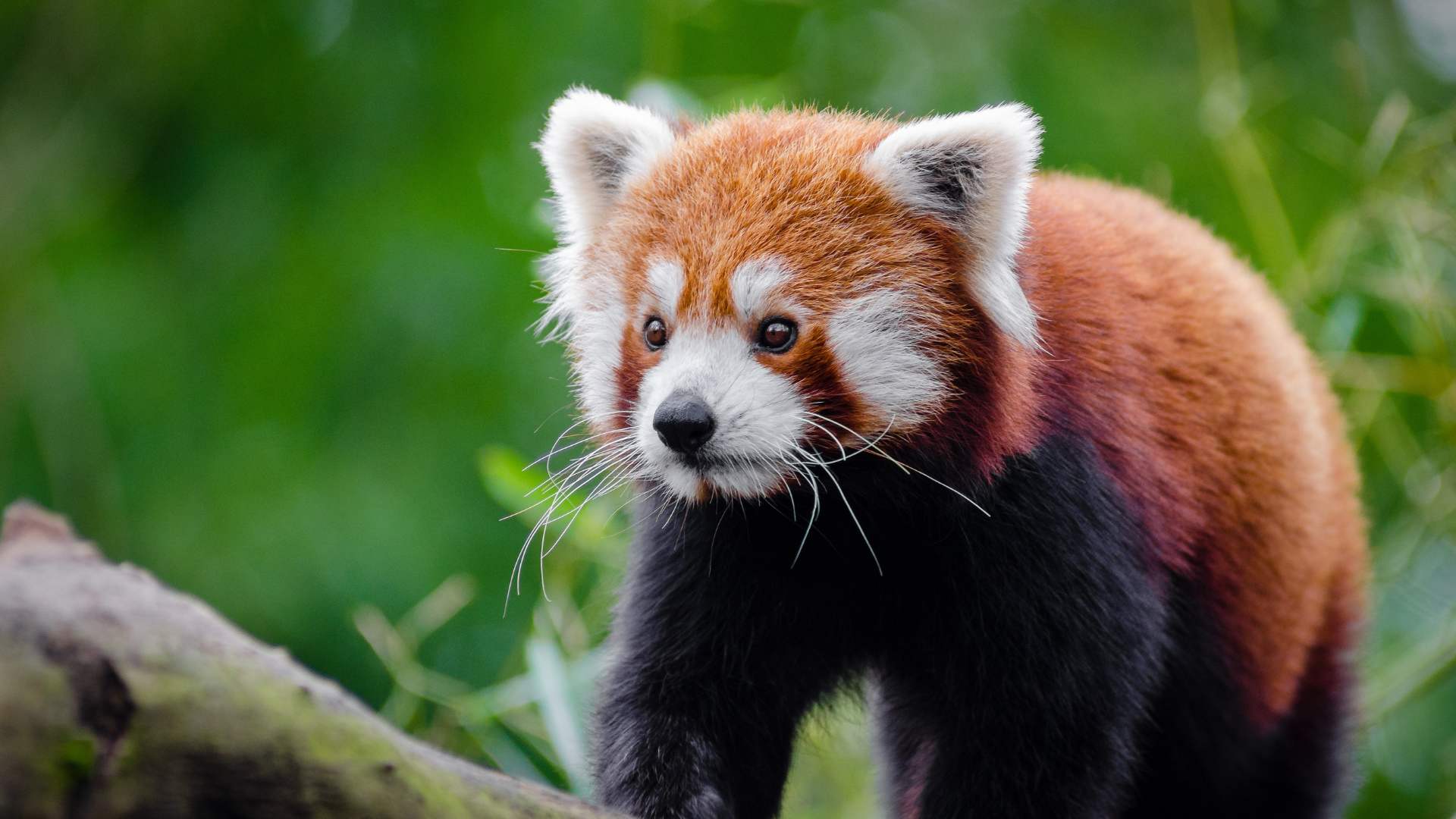
Autumn is the time for wild fruits and Red Panda loves to taste these wild fruits including kiwi, Strawberries, and Sarbus. In addition, you can also experience the clear sky making it a good time for birding.
- December through January –
Our visitors might experience snowfall. This is the best time as this is the season for mating and our wildlife photographers can take advantage of this time. This is a time when one might be able to experience good birding because of the clear sky.
- February through March –
Since the fall happens to be the mating season, right after the same our visitors might be able to experience mother Red Pandas with their baby red panda during this late fall season. This could be a great emotional capture for many wildlife photographers. This season is also a great time to experience serious birding.
- April through Mid-May –
This time of the year happens to be a complete bridal look accompanied with the Rhododendron as the color of the flower is showering bright, making the valley blossom. Besides this, you can also see flowers like Orchid, Magnolia and many more. This is the best time for excellent birding.
- Mid May through Mid June –
This is the time in the rain when you can experience beautiful wildflowers like Orchids, Cobra Lily, Wild strawberries and an excellent time for birding.
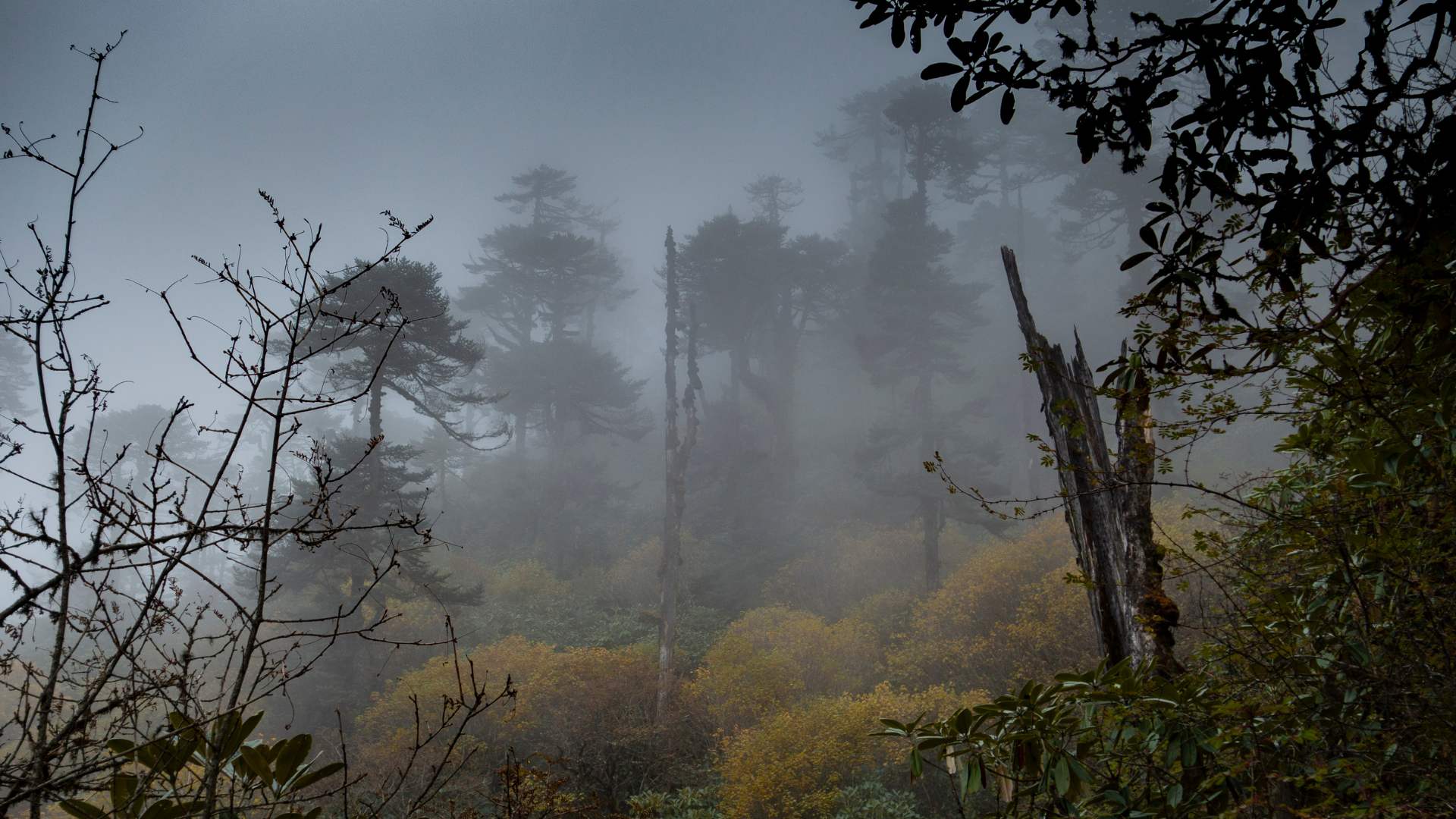
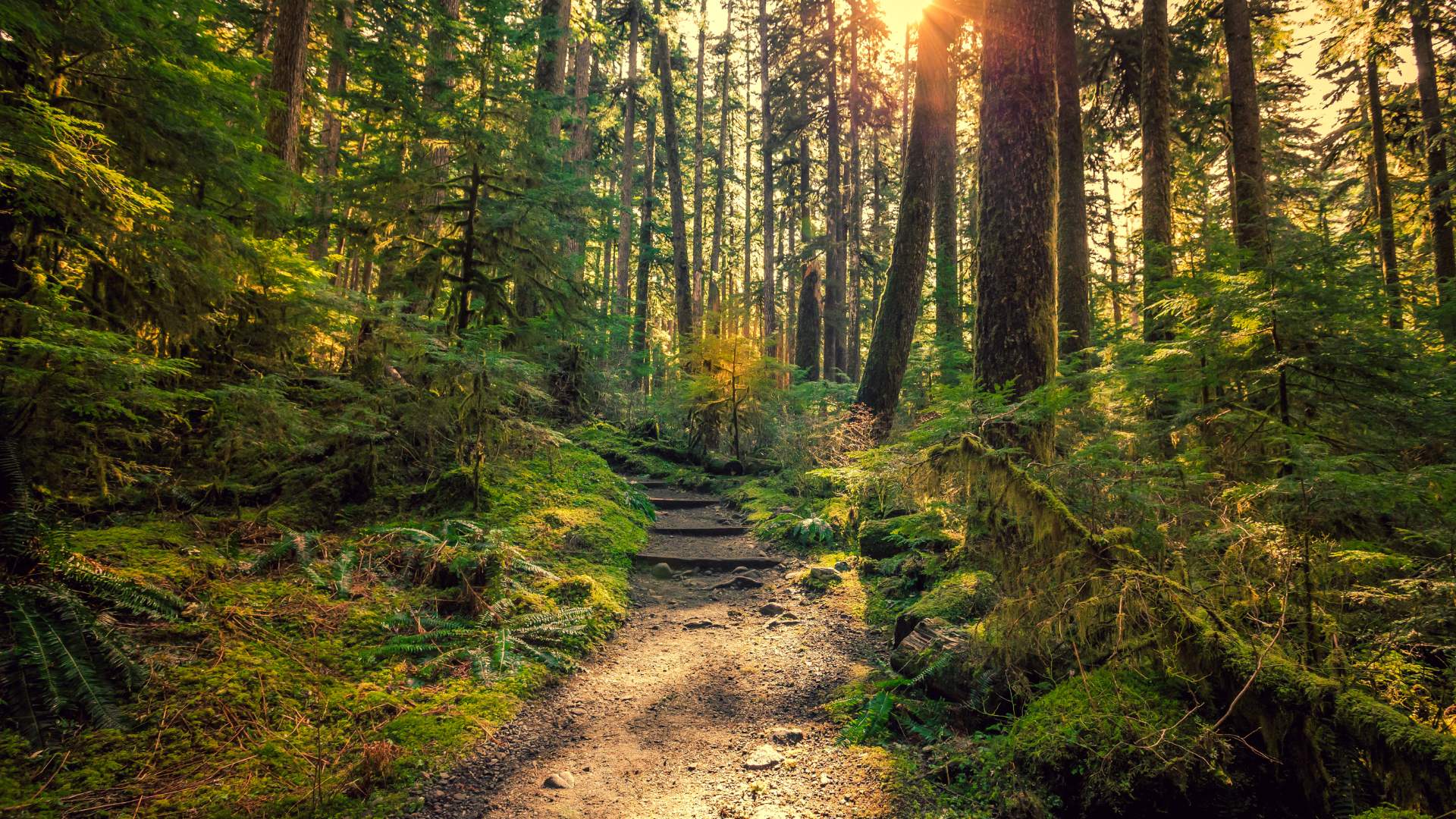
This expedition is not a leisurely wildlife tour. Days begin before sunrise and involve long, steep forest walks over varied terrain, from bamboo and rhododendron thickets to mist-clad ridges. The landscape you traverse is extraordinarily beautiful but demanding. You’ll trek through dense bamboo groves and cool temperate forests, often with panoramic views of the Himalayas on clear days. You should be prepared for moderate to strenuous hiking, often at elevations above 2,500m. Sightings require patience, quiet movement, and often extended periods of observation in the cool mountain air.
For travellers drawn to true wilderness and rare species, Singalila National Park is among the finest places in India to seek the elusive Red Panda in its natural, high-altitude habitat. Located along the Eastern Himalayan ridge, Singalila offers a rugged, remote landscape where wildlife experiences are shaped by patience, effort, and timing.
Beyond red pandas, the park is home to a diverse range of Himalayan mammals, including Himalayan black bear, clouded leopard, leopard cat, serow, barking deer, yellow-throated marten, wild boar, pangolin, and pika. Sightings are never guaranteed, but the richness of the ecosystem makes every forest walk immersive and rewarding.
Singalila is also a premier destination for birdwatching and bird photography, with over 300 recorded bird species spread across temperate and alpine habitats. Treks through the forest may reveal species such as Blood Pheasant, Satyr Tragopan, Kalij Pheasant, Himalayan Griffon, Fire-tailed Myzornis, Golden-breasted Fulvetta, various laughing thrushes, flycatchers, finches, and the endemic Darjeeling Woodpecker.
On clear days, sweeping views of Kanchenjunga and Mount Everest add a dramatic visual dimension, making Singalila especially rewarding for serious wildlife travellers and photographers seeking depth over comfort.